
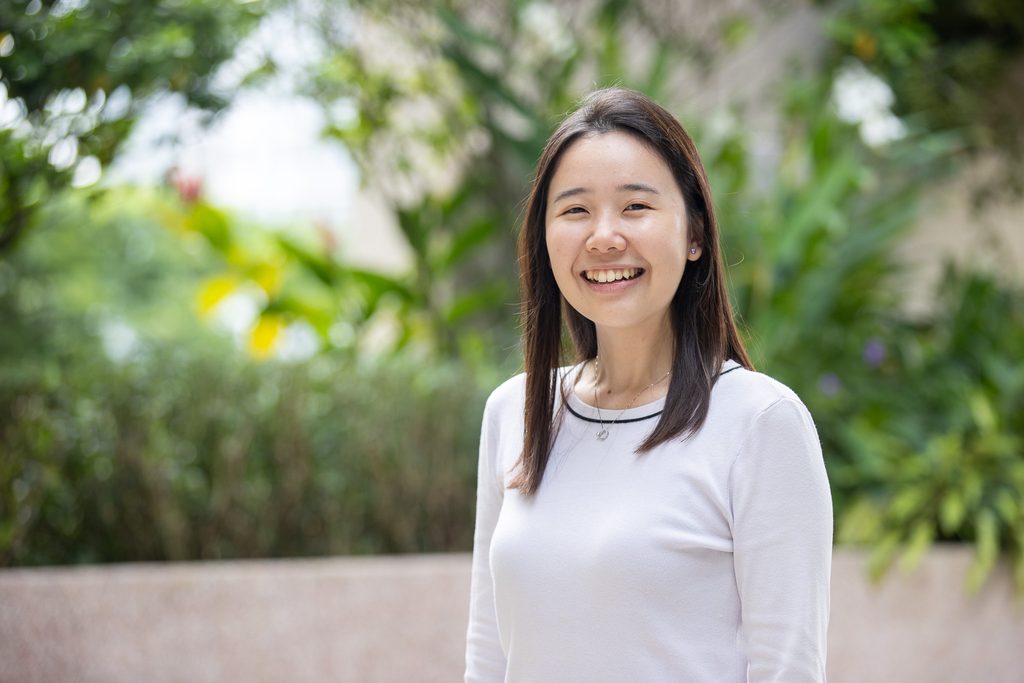
Loh Wei Zheng
Young Women Division
The American poet Walt Whitman sings vibrantly: “Afoot and light-hearted I take to the open road, / I think whatever I shall meet on the road I shall like, and whoever beholds me shall like me, / I think whoever I see must be happy.” “Whitman’s poem is an ode to humanity, brimming with optimism, inspiration, and joy.” (The Buddhism of the Sun, Illuminating the World “For our wonderful new members” Part 2 of 5)
I was travelling home from work after a long day when I chanced upon this piece of guidance by Ikeda Sensei.
At that time, I was feeling especially overwhelmed, trying to do my best both at work and in my SGS activities. I stayed back after office hours almost every day and would sometimes rush to SGS meetings immediately after work. I suffered from sleep deprivation, which affected my work performance. I was even reprimanded by my boss for not being productive enough. I constantly felt demoralised and sad, feeling that I was not living up as a disciple of Ikeda Sensei.
Reading the guidance reminded me of the unique mission each individual has, and how important it is to continue believing in the Buddha nature inherent in both myself and others. I renewed my determination to elevate my life condition every day through chanting daimoku, and to focus on bringing joy to both myself and the people around me, while also striving to do my best at work. After all, this was a job I had chanted for, and one in which I found a great sense of meaning.
Growing through the Training Platforms in Gakkai
I was a quiet and shy child born into a family that practises Nichiren Buddhism. I used to recite the Gongyo daily because my mother told me to, and I attended Primary Division meetings because I had friends there. I only became more proactive in my Buddhist practice after some Student Division (SD) leaders home visited me.
Initially, I was reluctant to meet them, but my leaders did not give up on reaching out to me. I was touched by their sincerity and heartwarming sharing during the home visits. I gradually became more active in SD and saw myself grow and develop in the division.
I began taking on more roles in the SD institution meetings, such as serving as the emcee and study facilitator. I also performed in the 2014 Youth Friendship for Peace (YFP) Festival. Through these platforms, I became more courageous in expressing myself.
In the same year, I was approached by my SD Trailblazer (Institution In-Charge) to take up the mission of a Campus In-Charge (CIC). In the beginning, I faced the challenges of rejection and being ignored by members when I reached out to them.
My leaders would then remind me, “There is no daimoku that will not reach the person.” We chanted earnestly for our members’ happiness and racked our brains on how to better engage them. I was deeply moved by my seniors’ way of life—practising faith for the happiness of others—and did my best to follow their example.
I recalled how my leaders used to give me handwritten letters during home visits and shared Ikeda Sensei’s guidance with me. Inspired by their sincerity, I followed suit and wrote cards for my members, hoping they would feel encouraged in their studies. I was heartened when a few of the members replied with thank-you messages.
My Senior’s Persistence Fostered Me
Although I was active in the Student Division, I was not enthusiastic about attending the monthly district discussion meetings. I was not close to the other youths in my district, and it made it harder for me to participate fully. My then Young Women Division (YWD) district leader tried to encourage me to take on various roles at the discussion meeting, but I was reluctant and became unresponsive to her messages. Even so, she never gave up reaching out to me.
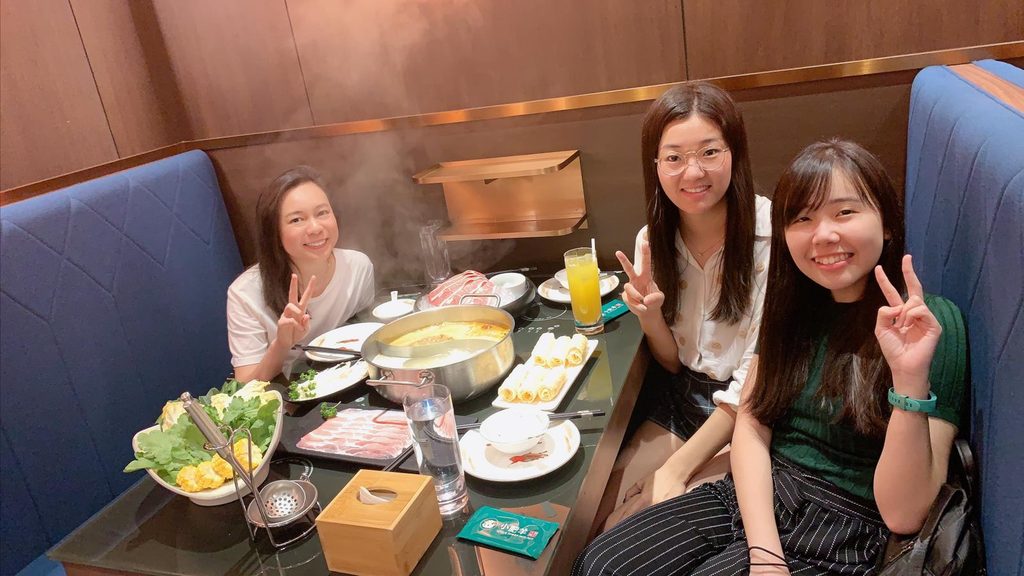
One day, she texted me, saying that although I was already involved in the YFP Festival, I should also contribute back to the district. Her words prompted me to reflect deeply.
Ikeda Sensei once wrote, “Amid the spiritual desert of society which is characterised by an increasing sense of isolation and alienation, our discussion meetings serve as vibrant ‘oases of humanity’ brimming with joyous, animated dialogue. They are nourishing the human spirit as they spread across the globe.” (The Light of the Century of Humanity, “Our Great Discussion Meeting Movement”)
I also came to realise that the discussion meeting is the very place where I could put into practice everything I had learnt in the Student Division. I began participating more proactively in my district.
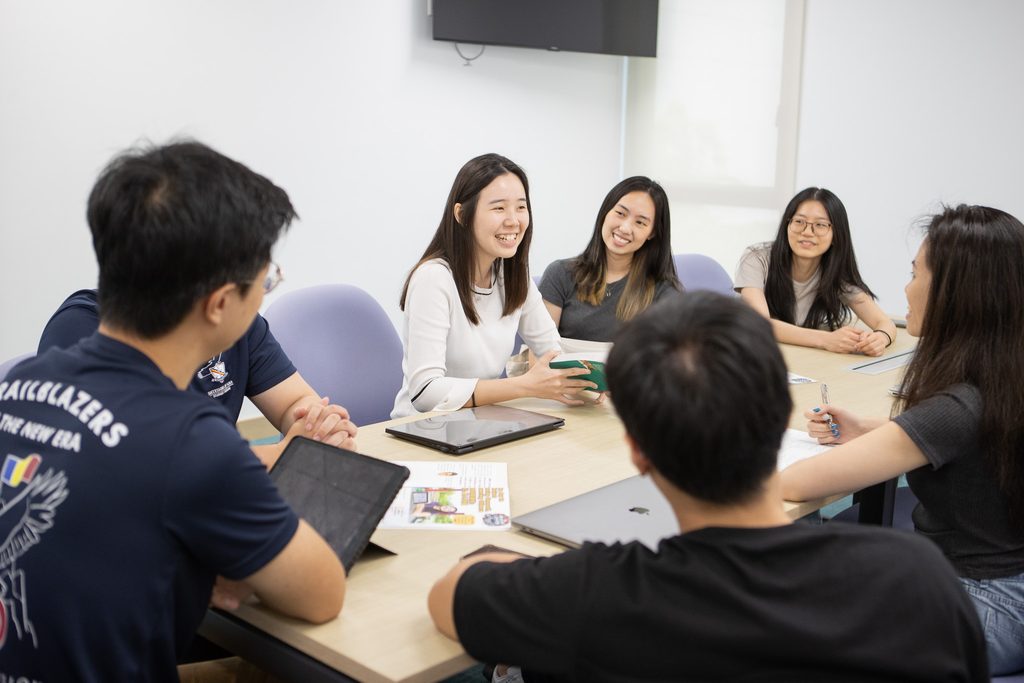
In 2016, I decided to repay my debt of gratitude by taking on the mission of being a district leader, with the aim of supporting more members in their Buddhist practice. I was fortunate to meet supportive fellow district and chapter leaders and join them on home visits. Through these experiences, I learnt how to care for another individual, listen with empathy, start conversations with people of all ages and share Buddhism sincerely with others.
Finding a Job Where My Mission Lies
After graduating from university, I aspired to enter the education sector, inspired by Ikeda Sensei’s words that education is the key to securing world peace and creating positive social change. Upon my senior’s encouragement, I chanted to find a job where my mission lies. Although it took me 10 months of job hunting, I remained in high spirits through consistent daimoku and continued efforts for kosen-rufu.
Eventually, I secured a contract job in a team supporting short-term exchange programmes at a university. The university champions global citizenship and sustainability through its mobility programmes, which aligns with the values I uphold in the Soka Gakkai.
During the particularly challenging period at work, I received news that I had been selected to participate in the South Asia Youth Exchange Delegation (SAYED). Together as a team, we set a target to chant an hour of daimoku daily and to introduce Buddhism to at least one person. Chanting together with my comrades in faith lifted my spirits, empowering me to give my best in both work and SGS activities. I became more mindful of how I used my time, striving to complete my tasks efficiently.
After working as a contract staff for over two years, my boss informed me that a permanent position would soon be opening in my team. I was excited and hopeful about the possibility of securing a long-term role. However, a few days later during lunch, my manager shared that the new position would not be within my area of specialisation. I had held such high hopes that upon hearing the news, negative thoughts and self-doubts started to engulf me.
I was very worried about my future job prospect, but continued to exert myself for kosen-rufu, going for dialogues and home visits. On one such visit with a senior leader to a YWD member who was about to graduate from university, I was encouraged by my senior’s personal experience, which mirrored my own situation. I left the home visit feeling motivated to get back on my feet again. I renewed my resolve to offer even more concrete prayers and to challenge my circumstances with daimoku.
As my contract neared its end, my superiors recommended me for job opportunities in other departments within the same organisation, functioning as the protective functions of the universe. Eventually, I passed an interview and secured a permanent position in another office, with better remuneration and benefits. My current position allows me to devote my time after work freely to SGS activities just as I had prayed for.
Ikeda Sensei wrote:
“Those who remain undefeated are victors.
Those who chant sincerely will know lasting happiness.
Those who dedicate their lives to kosen-rufu will shine with eternal virtue and fortune.”
My SAYED experience was a profoundly meaningful one that I will cherish forever. Through it, I’ve grown more courageous in sharing Buddhism with others.
At the exchange meeting in Kansai, all the participants had the opportunity to meet with non-members who were brought to the meetings by their friends who were members. I felt nervous yet excited to meet my “new friend”, who turned out to be a grandmother accompanied by her introducer and a new member who had enshrined her Gohonzon about two weeks prior to the meeting. Both the “new friend” and the new member had been introduced to Soka Gakkai by the same introducer, who had been sharing Nichiren Buddhism with them for 30 to 50 years. I was deeply inspired by her perseverance and reflected that I should not give up on encouraging inactive members or those who had declined my invitations to Gakkai meetings. I shared my experiences and how I have grown in the Soka Gakkai wholeheartedly, determined to embody the spirit of a youthful disciple of Sensei.
It was exhilarating to be able to see the smile on the grandmother’s face. I am determined to continue to inspire hope in one person after another moving forward.
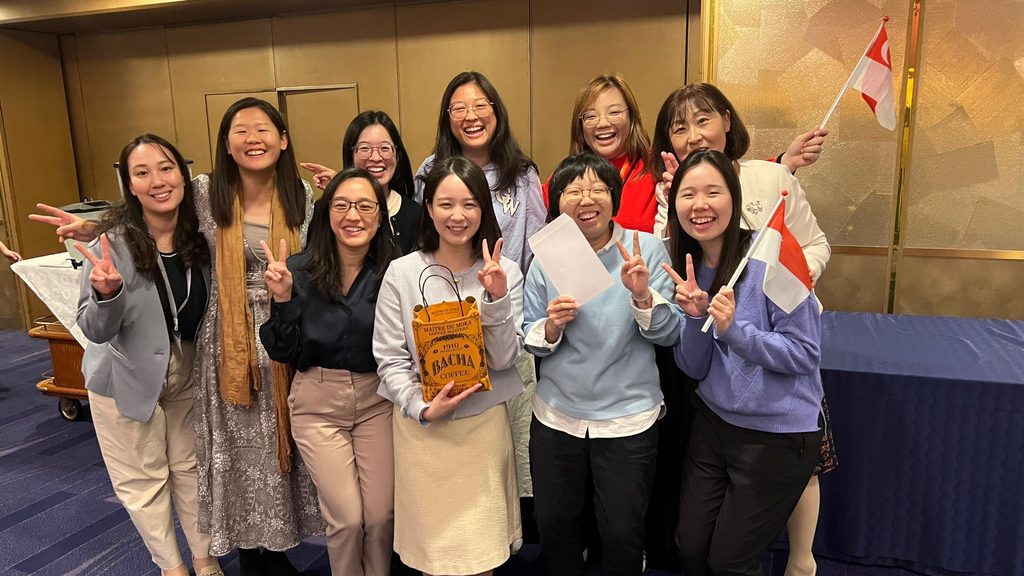
Thinking back, I would have led a mundane and self-centred life if I had not grown up in the garden of Soka and encountered my mentor in life, Ikeda Sensei, who showed me what a noble way of life means. In the process, I could muster the courage needed to triumph over my challenges, support and encourage the people around me and lead a meaningful youth.
Towards the Soka Gakkai’s 100th anniversary in 2030, my determination is to live my life undefeated by any obstacle and to walk the path of mentor and disciple with unwavering resolve, while encouraging others to awaken to the same vow for kosen-rufu.
(Adapted from Creative Life, July 2025 issue)